☎ Anj 0977 803 5308 | ☎ Jewel 0998 256 3546 | ☎ Lena 0920 985 4030 | ☎ Mj 0977 802 3015 | ☎ Rose 0927 972 0803 | ☎ Marie 0969 199 1361

Fire Safety Planning: Steps Every Office Must Take Before an Emergency

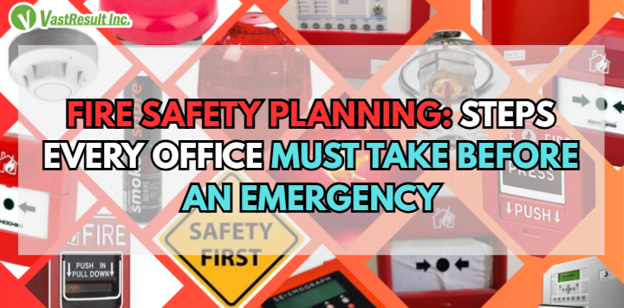
Fire emergencies can happen at any time, and the outcome often depends on how prepared a workplace is before the incident occurs. Fire safety planning helps offices reduce risks, protect employees, and ensure everyone knows what to do during an emergency.
A well-prepared office does not rely only on equipment. It combines proper planning, reliable systems, and trained employees to ensure safety when every second matters.
Why Fire Safety Planning Is Important for Offices
Offices contain electrical equipment, documents, and daily operations that can increase fire risks if not properly managed. Without a clear plan, emergencies can lead to confusion, delayed evacuation, and greater damage.
Proper fire safety planning helps businesses:
- Protect employees and visitors
- Reduce panic during emergencies
- Minimize property damage
- Support faster evacuation
- Meet workplace safety requirements
Planning ahead allows companies to respond quickly and effectively when emergencies happen.
Step 1: Identify Possible Fire Risks in the Workplace
The first step in fire safety planning is identifying areas where fires are most likely to start. Offices should regularly assess potential hazards and correct unsafe conditions.
Common office fire risks include:
- Overloaded electrical outlets
- Faulty wiring or equipment
- Improper storage of flammable materials
- Blocked emergency exits
- Poor housekeeping or cluttered work areas
Recognizing risks early helps prevent incidents before they occur.
Step 2: Install Reliable Fire Detection and Alarm Systems
Early warning systems are essential for safe evacuation. Fire detection and alarm systems alert occupants immediately when smoke or heat is detected, allowing people to respond quickly.
A reliable system should:
- Provide clear audible and visual alerts
- Cover all office areas
- Be properly designed and installed
- Be regularly tested and maintained
Early detection significantly improves safety during emergencies.
Step 3: Establish Clear Evacuation Procedures
Employees must know where to go and what to do once an alarm sounds. Clear evacuation procedures prevent confusion and ensure everyone exits safely.
Offices should prepare:
- Clearly marked emergency exits
- Evacuation maps on each floor
- Designated assembly areas
- Assigned emergency coordinators or fire wardens
Simple and clear instructions make evacuation faster and safer.
Step 4: Conduct Regular Fire Safety Training and Drills
Having a plan is not enough if employees are unfamiliar with it. Regular training and fire drills help employees react calmly and confidently during emergencies.
Training helps employees:
- Recognize alarm signals
- Follow evacuation routes correctly
- Use fire extinguishers when safe to do so
- Assist others during evacuation
Practice improves response time and reduces panic.
Step 5: Schedule Regular System Inspection and Maintenance
Fire safety systems must always be in working condition. Regular inspection ensures that alarms, detectors, and protection systems function properly when needed.
Maintenance helps:
- Identify damaged or faulty devices
- Maintain system reliability
- Prevent unexpected failures
- Ensure compliance with safety standards
Routine maintenance keeps offices prepared at all times.
Build a Safer Office Through Proper Fire Safety Planning
Fire safety planning is a responsibility shared by management and employees. By identifying risks, installing reliable systems, and conducting regular training, offices can significantly reduce the impact of fire emergencies.
Prepared workplaces protect lives, maintain business continuity, and create a safer environment for everyone.